History of Rugby League in America
Early Foundations (1950–1996)
Rugby League in the United States has always been a story of ambition, resilience, and reinvention.
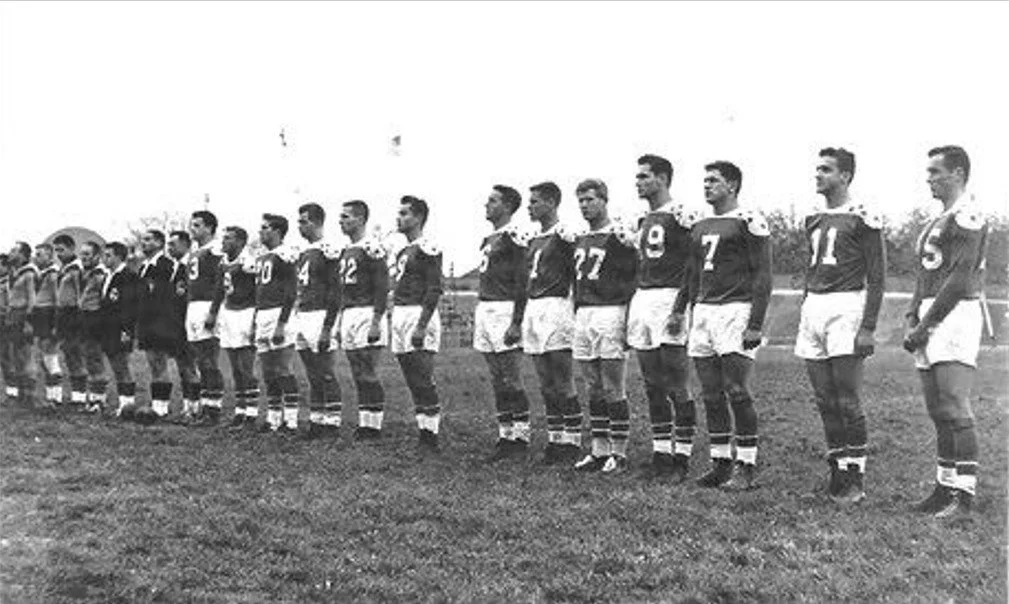
The sport first made a meaningful international impression in 1954, when a United States national team toured France. That side—composed largely of crossover athletes—demonstrated raw potential and introduced Rugby League as a sport that could translate to the American athletic profile.
Despite that early promise, the game struggled to establish a sustained domestic presence. For decades, Rugby League existed in pockets—driven by passionate individuals but lacking the infrastructure to grow nationally.
Still, the foundation was quietly being laid. The belief that Rugby League could succeed in the U.S. never disappeared—it simply waited for the right structure to emerge.
Birth of Organized Domestic and International Play
AMNRL Era (1997–2010)
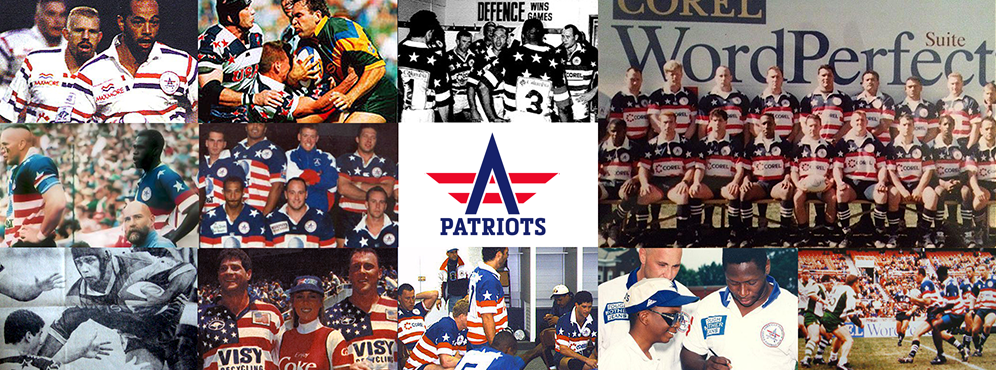
The modern era of Rugby League in the United States truly took shape with the formation of the American National Rugby League (AMNRL) in 1997.
What the AMNRL accomplished was far greater than simply launching a domestic competition. It gave the sport real form, real consistency, and, importantly, a genuinely impressive level of play. From the beginning, the league produced games that were physical, committed, and often of a standard that surprised those outside the American Rugby League community.
Across the late 1990s and 2000s, the AMNRL featured:
Hard-hitting, high-intensity matches that captured the true spirit of Rugby League
The influence of experienced international players and coaches, particularly from Australia, New Zealand, and the United Kingdom
American athletes who adapted quickly to the code and brought speed, toughness, and explosiveness to the field
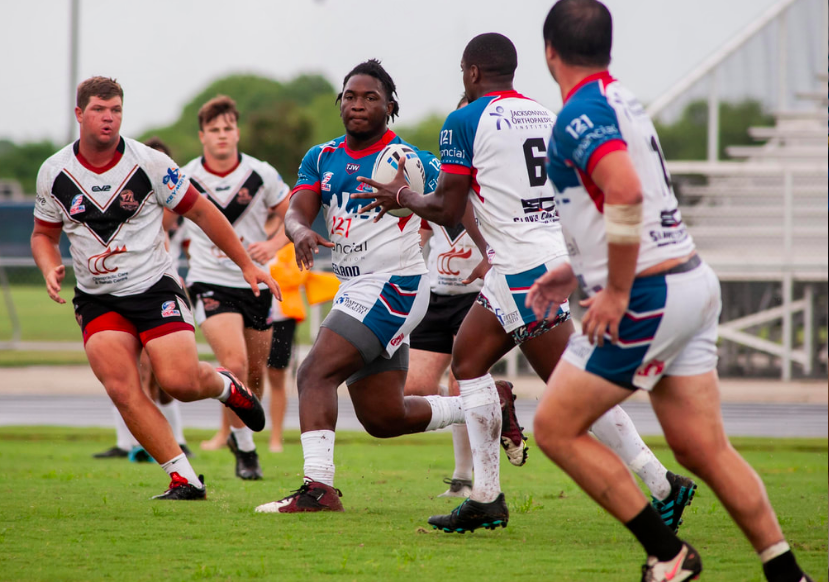
Teams such as the Glen Mills Bulls, Jacksonville Axemen, New York Knights, Connecticut Wildcats and others helped establish the identity of the competition. Their matches were not simply important because they existed—they were important because of the standard they set. Rivalries were real, the commitment was serious, and the games often felt far beyond what many would expect from a developing domestic league.
That period proved something essential: Rugby League in the United States could be played at a strong and authentic level.
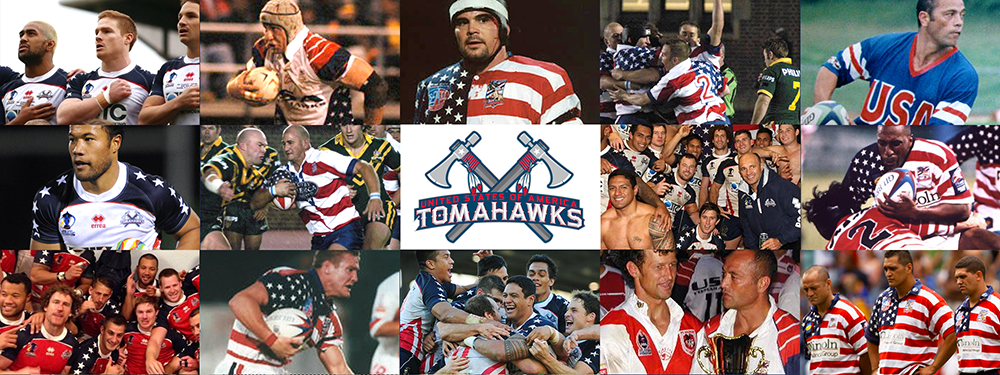
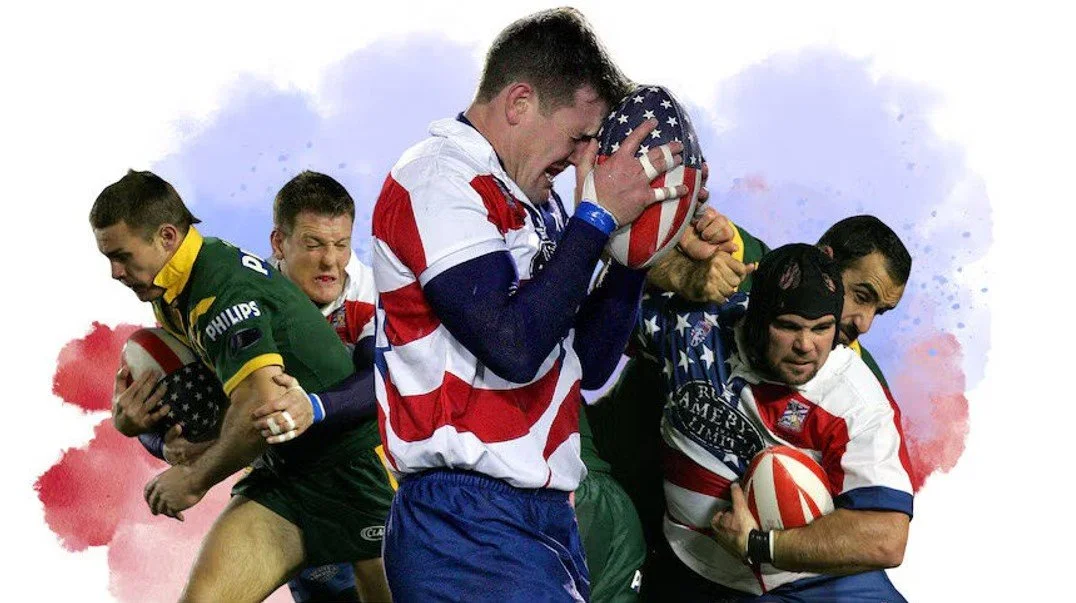
Just as importantly, the AMNRL created moments that put American Rugby League on a much bigger stage. Through the USA Tomahawks, the league helped produce a landmark full international against the Australian national team in Philadelphia in 2004. Although Australia won, the match was significant for the quality of the American performance, the attention it drew, and the fact that it was televised internationally, giving Rugby League in the United States rare and meaningful exposure at the highest level.
The AMNRL also played a central role in building the national-team pathway, giving American-based players an opportunity to develop within a meaningful domestic structure and represent the country internationally.
Even with limited resources, the AMNRL established the foundation of the modern game in the United States. It created clubs, developed players, built supporters, and showed that Rugby League could take root in American soil in a serious way. Its contribution was pioneering, and the quality of many of its contests remains an important part of its legacy.
Formation of the USA Rugby League
USARL 2011 - Present
In 2011, Rugby League in the United States entered a new phase with the formation of the USA Rugby League (USARL). The USARL emerged from clubs and leaders to build on the work that had already been done while moving the sport toward a more club-driven and sustainable structure. The USARL was able to leverage the passion, player base, and competitive spirit that had been built during the AMNRL era and work to carry those forward in a model focused on long-term stability.
The USARL’s contribution has been significant in creating a more sustainable framework for domestic competition, emphasized community-based clubs, and continued the work of organizing and growing the sport in a difficult American sporting landscape.
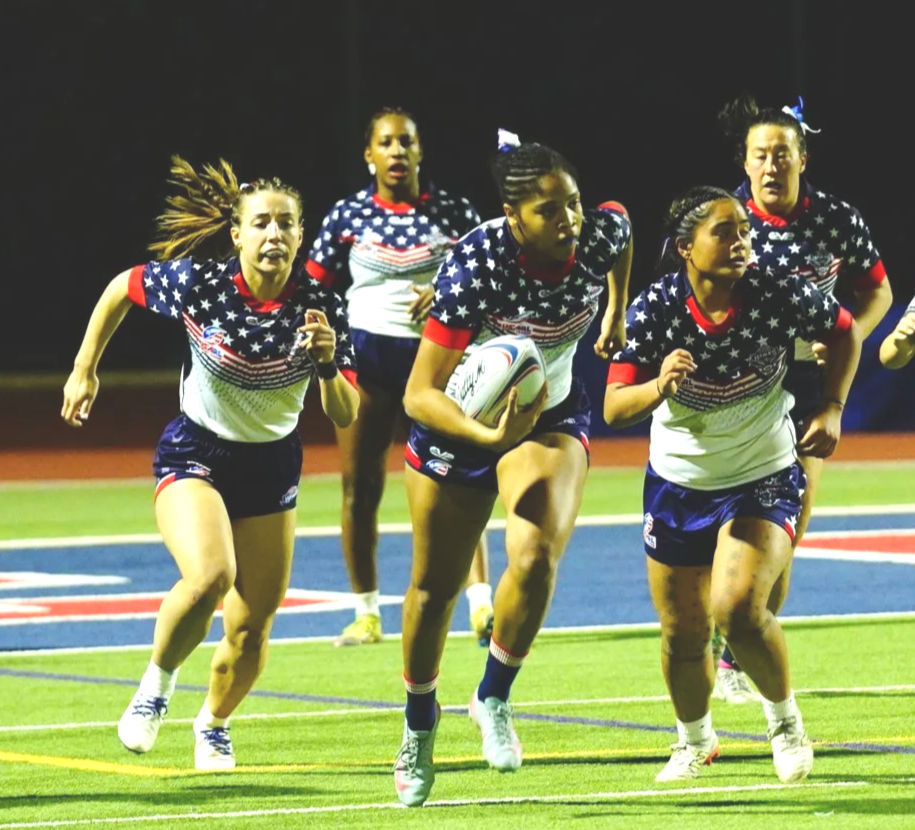
More recently, the progress has become even more visible through the national-team program. The league has made important strides through a restructuring of the national program, the addition of further management support, and the introduction of new coaching staff designed to elevate standards, improve organization, and strengthen the overall pathway for players and teams. That forward movement was reflected early in 2026, when the USA men defeated Scotland 28–20 in Las Vegas, in a broader international event that also included women’s and youth matches—the kind of expanded platform that signals meaningful momentum for the game in the United States.
Another important step has been the addition of integral partners helping strengthen the sport’s long-term future. An NRL team partnership has added another layer of support and visibility to the American game, contributing to development efforts and reinforcing the broader structure around Rugby League in the United States.
Taken together, the AMNRL and USARL represent two essential stages in a much larger story—one that traces back to the earliest introduction of Rugby League in the United States in the early 1950s.
The AMNRL deserves tremendous credit for building the modern foundation of the sport. It created the first sustained domestic competition of the modern era, established a strong standard of play, and gave Rugby League real visibility and legitimacy among those who experienced it firsthand.
The USARL, now the national governing body for Rugby League in the United States, has taken that foundation to another level—guiding the sport into a more sustainable phase, strengthening the club game, and, more recently, elevating the national-team program and its broader partnerships. USARL’s own history notes that after the 2013 World Cup it assumed full control of the domestic game and was officially recognized as the USA’s national governing body.
Seen in full, the history of Rugby League in America is not defined by separation, but by continuity—a shared legacy of people who believed in the game enough to build it across generations. From its beginnings in the 1950s to the structured growth of today, that momentum continues to build—pointing clearly toward even greater things to come.